Where the truth wears a tutu and the facts fandango. We are the Damned unreliable News!

Category: national

  • Childless Couple Considers Adoption Solely for Purpose of Getting Bullshit Days Off Work Like Everyone Else

    Childless Couple Considers Adoption Solely for Purpose of Getting Bullshit Days Off Work Like Everyone Else

    EVERYWHERE, USA – In a bold move that has left their friends, family, and HR department speechless, local childless couple Tim and Karen Sullivan have revealed they are seriously considering adoption—not out of a deep-seated desire to raise a child, but because they’re sick and tired of watching their co-workers get all the “bullshit days off” for parental duties while they’re stuck covering shifts.

    “We don’t want a kid, obviously,” Tim explained, while scrolling through Instagram vacation posts his colleagues had tagged #DadLife. “But if I have to hear Gary from accounting talk about how he ‘has to leave early for a school recital’ one more time, I might lose it. If having a kid is my ticket to guilt-free half-days, then, well, sign me up.”

    Karen, currently on her fifth year of being asked to “pitch in” for the parent brigade at her marketing firm, echoed her husband’s frustrations. “I get it, you have a tiny human who poops and watches Paw Patrol. But how does that give you a free pass to leave at 3 p.m. every Friday while I’m stuck here fielding last-minute client calls? Apparently, you can’t even mention a child without HR melting down and telling you to ‘take all the time you need.’ Well, guess what, I’d like to ‘take all the time I need’ too—preferably to sip Chardonnay at 4:00 in the afternoon without a Slack notification.”

    The Sullivans, who have never particularly cared for children, say that the current corporate culture leaves them no choice but to enter the parenthood game, purely for strategic purposes. “We’re not looking for some deep, emotional connection,” Tim clarified. “We’re just looking for a loophole in this ‘work-life balance’ scam everyone else seems to have figured out.”

    “We don’t even care about the kid’s gender or age,” Karen added. “Honestly, the older the better. We’re hoping for one who can take care of themselves and, ideally, forge their own permission slips by age seven. Our main priority is getting ‘parental leave’ added to our benefits package and strategically deploying it when I just cannot handle another Zoom meeting about Q3 projections.”

    The couple has already started brainstorming ways to maximize their newfound status as hypothetical parents. “We’re thinking we can use the classic ‘sick kid’ excuse to duck out of work early on Fridays,” Tim said. “I mean, everyone’s always got some kid with a runny nose, right? And don’t even get me started on summer camp pickups—hello, extended lunch breaks.”

    Meanwhile, Karen is particularly excited about “joining the ranks” of parents who disappear for entire days for “parent-teacher conferences” that apparently occur with the frequency of lunar eclipses. “Do these conferences actually exist, or is it some sort of myth? Either way, once we’re parents, I’m going to ‘attend’ so many that I might not even remember what my desk looks like.”

    HR departments nationwide are said to be scrambling to address this growing phenomenon of childless couples adopting solely to gain access to parenting-related perks. “We’ve already had to add extra paid sick days for kids, extended maternity and paternity leave, and ‘mental health days’ after particularly bad soccer games,” said Meredith Klein, director of HR at Global Solutions Corp. “And now, we’re seeing a new breed of employee who’s realized that parenthood is basically a fast-pass to skipping out on work. They’ve cracked the code.”

    In fact, according to a recent survey, nearly 40% of childless couples are considering adoption or fostering for similar reasons. “I don’t even like kids,” one respondent confessed anonymously. “But if it means I get to clock out at 2:30 to pick them up from school or take a day off to ‘care for a sick child’—even if they’re just binge-watching YouTube—sign me up. I’ve had enough of covering for Susan and her three sons who seem to have chickenpox every other week.”

    While some may criticize their plan as cynical, the Sullivans maintain that they’re just leveling the playing field. “We’re not asking for much,” Karen said. “We just want to feel the same sweet, sweet freedom of ‘emergency doctor appointments’ and ‘daycare closures’ that everyone else seems to enjoy. If adopting a kid is what it takes to get a long weekend without having to fake the flu, then we’re all in.”

    As of press time, Tim and Karen were researching local adoption agencies and compiling a list of after-school activities their potential child could be enrolled in—mostly based on how much time off they could milk from each one. “Soccer? Probably gets you a few hours. Dance recitals? Now we’re talking. But the jackpot,” Tim mused, “is theater. Those kids have so many rehearsals, I might be able to knock off an entire week.”

  • Jimmy Buffett Album Sales Expected to Plummet to 0 After Final Alcoholic Boomer Dies

    Jimmy Buffett Album Sales Expected to Plummet to 0 After Final Alcoholic Boomer Dies

    Information provided by P.O.T.D’s Music Industry Correspondent

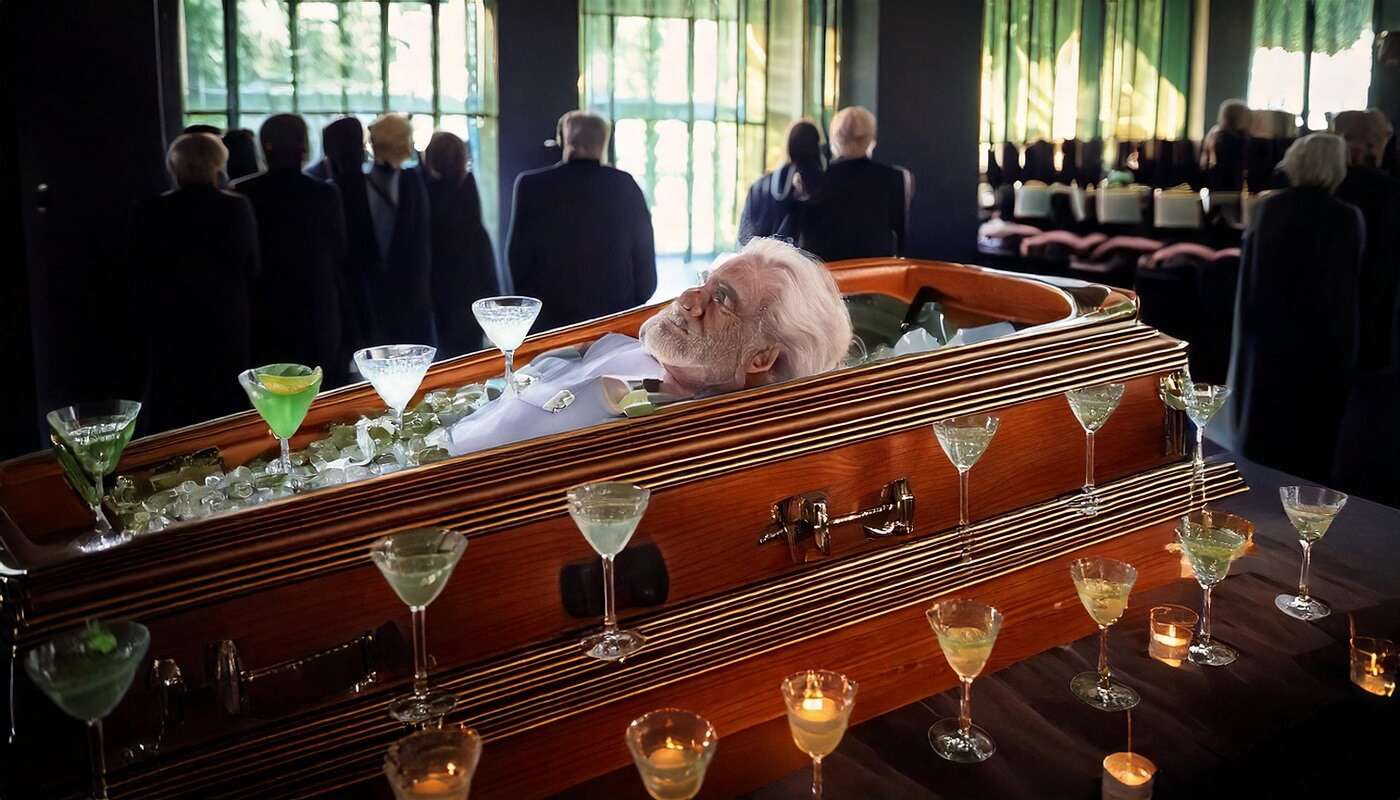
    MARGARITAVILLE – The music world is bracing for an unprecedented cultural collapse as experts predict that Jimmy Buffett’s album sales, once driven by a devoted army of intoxicated Baby Boomers in Hawaiian shirts, will drop to an irrecoverable zero following the death of the last alcoholic Boomer sometime in the next decade.

    According to leading demographic analysts, the music icon’s financial empire—which has long thrived on nostalgic, alcohol-soaked anthems like “Margaritaville” and “Cheeseburger in Paradise”—is expected to go completely belly-up once the remaining generation of boomers, currently hanging onto life via a combination of rum, SPF 50, and sheer denial, inevitably passes into that great tiki bar in the sky.

    “It’s a tragic but inevitable decline,” said Gary Simmons, a senior analyst at the Institute for Boomer Nostalgia (IBN). “Buffett’s fanbase has always been a unique blend of sunburnt retirees who associate his music with their third midlife crisis and their fifth piña colada. But with Boomers leaving the world faster than Parrotheads leaving the bar at last call, we’re predicting his album sales will drop to zero by the time the last one checks out.”

    Buffett’s brand—long synonymous with the breezy, alcohol-fueled lifestyle that features prominently on every Margaritaville-themed gift shop trinket—was largely fueled by Baby Boomers’ desire to escape their responsibility of raising their children in the 70s, 80s, and beyond. “Buffett’s music represented the ultimate boomer fantasy,” Simmons explained. “A world where you could blame all your problems on ‘losing your shaker of salt’ while conveniently ignoring that you’ve alienated three spouses and mismanaged your 401(k).”

    Buffett, who passed away in 2023, built a billion-dollar empire on this sun-soaked delusion, attracting fans to his concerts, restaurants, and resorts like fruit flies to a forgotten daiquiri. His lyrics offered simple solutions to complex problems: too much work? Drink a beer. Failed marriage? Order a cheeseburger. Lost your job? Two margaritas, easy. It was an entire self-help philosophy built on tropical cocktails and bad decisions.

    However, that very fanbase has dwindled in recent years, as Boomers—once the kings and queens of recreational alcoholism—have increasingly found themselves “wasting away” not in Margaritaville, but in actual assisted living facilities. “We’ve seen a steep decline in Parrotheads at concerts,” confirmed Lisa Tucker, a long-time bartender at Buffett’s Key West venue. “Mostly because they can’t afford the plane tickets after paying for their grandkids’ student loans.”

    The rise of younger generations has done little to bolster Buffett’s brand, as Millennials and Gen Z seem oddly disinterested in songs about binge drinking while sailing on a yacht you bought with a pension that no longer exists. “It’s like, I get it, you’re drunk and in the Caribbean or whatever,” said 24-year-old digital marketing specialist Amanda Hughes, who was exposed to “Margaritaville” at her uncle’s third wedding. “But I have student debt and climate anxiety. I don’t need to hear about your tropical vacation.”

    Streaming data confirms the generational divide. Spotify reports that Jimmy Buffett songs are now mostly played at boomer-heavy events like tailgates, RV parks, and funerals where “Cheeseburger in Paradise” serves as an ironic send-off for people who haven’t eaten a cheeseburger since their cholesterol meds kicked in. The platform expects plays to decrease sharply once the final wave of boomers succumbs to either liver failure or the realization that they can’t party like they used to.

    “Let’s face it, no one under 50 is blasting ‘Volcano’ on their way to work,” said music industry analyst Amanda Greer. “Today’s youth are more into self-care playlists and indie artists who talk about their feelings. There’s just not a market anymore for songs that glorify running from your responsibilities in a straw hat while sipping a Mai Tai.”

    In response to this looming extinction of Buffett’s fanbase, Margaritaville Holdings, LLC, has begun quietly pivoting toward more permanent, brick-and-mortar establishments such as senior living facilities themed around Buffett’s greatest hits. The new Sunset Margaritaville Retirement Villas promise to serve frozen cocktails in IV form and host daily ukulele concerts for aging Parrotheads, complete with occasional bingo games titled “Fins to the Left, Fins to the Right.”

    “Honestly, it’s the perfect exit strategy,” said Simmons. “Buffett’s music was always about escapism. What better way to spend your twilight years than in a place that literally is Margaritaville?”

    Until then, it’s only a matter of time before the final Jimmy Buffett album quietly collects dust on a Walmart shelf, waiting for the last surviving boomer to pick it up with trembling hands and say, “Ah yes, this is living,” before they shuffle off into the sunset with a margarita and a faint whiff of Hawaiian Tropic.

    For now, at least, there’s still a place where it’s 5 o’clock somewhere—even if, soon, there won’t be anyone left to care.

  • Skyrocketing Insurance Prices Cause Woman’s Car to Be Totaled, as Insurance Bill Exceeds Value of the Car

    Skyrocketing Insurance Prices Cause Woman’s Car to Be Totaled, as Insurance Bill Exceeds Value of the Car

    DETROIT, MI In a stunning and deeply ironic twist of fate, local woman Jennifer Davies found herself in the unprecedented position of having her 2011 Honda Civic officially declared “totaled” by her insurance company—not due to an accident, but because her latest insurance bill exceeded the actual value of the car.

    “I never thought my car would be taken out by progressive premium hikes,” said Davies, shaking her head as she stood next to her otherwise perfectly functional vehicle, which now sits in the parking lot like a tragic casualty of actuarial warfare. “It survived ten winters, two boyfriends, and one really bad fender bender, but it didn’t survive the cost of being insured.”

    The saga began earlier this year when Davies received her renewal notice from State Farm, informing her that due to “market conditions, inflation, and our constant need to make shareholders happy,” her monthly premium was increasing from a manageable $110 to an eye-popping $750. Upon reviewing the documents, she discovered that over the course of the next 12 months, her total payments would surpass the car’s Kelley Blue Book value of $4,200.

    “At first, I thought it was a mistake,” said Davies. “Like, surely there’s no way my car insurance could cost more than my car. But nope! The lady at the insurance company just sighed and said, ‘Yeah, this is where we’re at now.’ Then she tried to sell me renter’s insurance for some reason.”

    Shortly thereafter, Davies’ car was declared “economically totaled” by her insurance company, a term usually reserved for vehicles involved in catastrophic accidents or spontaneous combustion. “It’s when the cost to fix or maintain something exceeds its value,” explained Chad Rogers, a representative from State Farm who confirmed the decision via a cheerful automated voicemail that began, “Good news! You’re eligible for an insurance payout! Bad news, it’s your car.”

    “I haven’t even had an accident!” Davies exclaimed. “I mean, the check engine light’s been on for like three years, but that’s more of a friendly suggestion than an actual issue, right?”

    The insurance payout, which amounted to a whopping $3,200—$1,000 less than what she owed for the remaining year of coverage—left Davies in the awkward position of owning a totaled car that still ran perfectly fine, but was technically no longer worth insuring. “So, basically, if I drive it, I’m uninsured, but I also can’t afford to insure it because my insurance company decided it’s not worth the money. I feel like I’m living in a Seinfeld episode.”

    Insurance companies, however, remain unapologetic. “It’s just the nature of the game,” said Rogers in an interview conducted from inside a gold-plated Tesla Model S, paid for entirely by premiums. “You see, we’ve recently realized that the more we charge people, the more we make. And, in today’s economic climate, that’s really what matters. Some people say it’s a paradox—insuring something until it’s financially impossible to insure—but we prefer to call it ‘innovative risk management.’”

    Asked about the optics of charging more than the value of the vehicle, Rogers shrugged. “Hey, everything’s more expensive these days. Have you seen the price of avocado toast? It’s the same with car insurance—except we get to make up the reasons as we go.”

    Davies isn’t alone. Across the country, thousands of drivers are finding themselves in similar situations as insurance premiums climb faster than a politician’s promises during election season. Experts say this is the natural result of the insurance industry’s finely-tuned algorithm that calculates risk based on sophisticated data points like “What if it rains a little?” and “What’s the vibe this month?”

    “Insurance companies are facing tough times, too,” said Nancy Proctor, a spokesperson for the Insurance Institute of Infinite Premiums. “We need to pay our CEOs tens of millions, after all. You think private jets fuel themselves?”

    In the meantime, Davies is considering her next move, which could include switching to public transportation, starting a GoFundMe for basic auto coverage, or just driving her now ‘totaled’ Civic without insurance altogether, relying on sheer luck and the hope that the universe takes pity on her.

    “Honestly, I’m at the point where I’m ready to throw in the towel,” Davies sighed. “If the insurance bill costs more than the car, maybe I just need to start insuring myself—because clearly, I’m the real asset here.”

    In unrelated news, State Farm is expected to announce record profits this quarter.

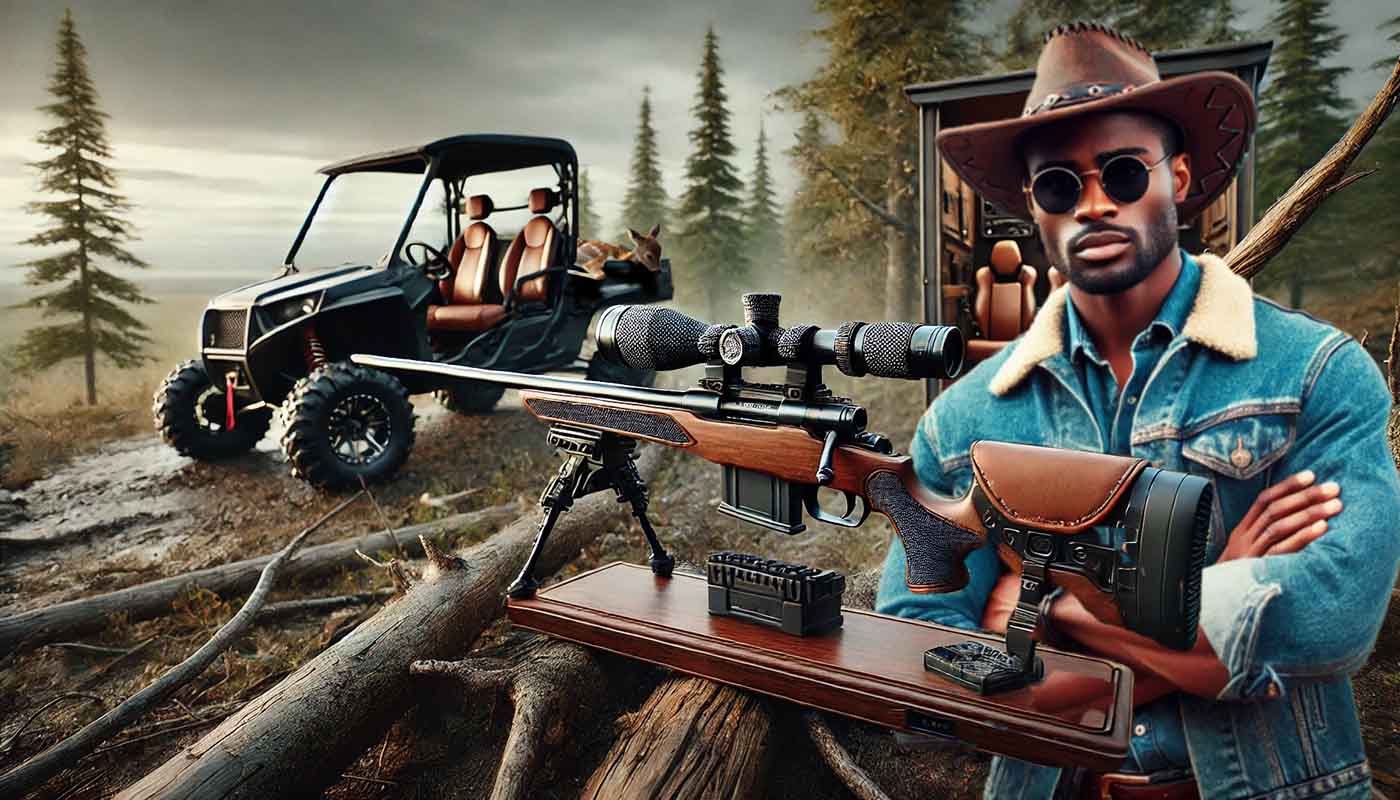
  • Leroy Jones Spends 52k on Hunting Equipment, Yields 50 Lbs. of Gamey Deer Meat to Take Home

    Leroy Jones Spends 52k on Hunting Equipment, Yields 50 Lbs. of Gamey Deer Meat to Take Home

    “It was a long day, but totally worth it,” Jones gushed, proudly displaying his trophy buck. “The thrill of the hunt is something you can’t put a price on. And the taste? Well, let’s just say it has a unique flavor profile.”

    Jones’s extravagant hunting expedition has sparked a heated debate among local residents. Some applaud his dedication to the sport, while others question the wisdom of spending so much money on something that can be obtained at the local grocery store for a fraction of the cost.

    “I mean, seriously,” said one critic, “52k for a deer? That’s enough to feed a family for years. And his deer is probably going to taste like shit.”

    Despite the criticism, Jones remains undeterred. He plans to continue his hunting adventures, hoping to bag even more exotic game, such as a rare albino squirrel or a mythical unicorn.

    “The hunt is about more than just the meat,” Jones insists. “It’s about connecting with nature, challenging yourself, and experiencing the thrill of the chase. And if I end up with a few pounds of questionable-tasting venison in the process, well, that’s just a bonus.”

  • Women’s Intuition Proven to Be a Myth After Shocking Number of Single Moms Reported on US Census

    Women’s Intuition Proven to Be a Myth After Shocking Number of Single Moms Reported on US Census

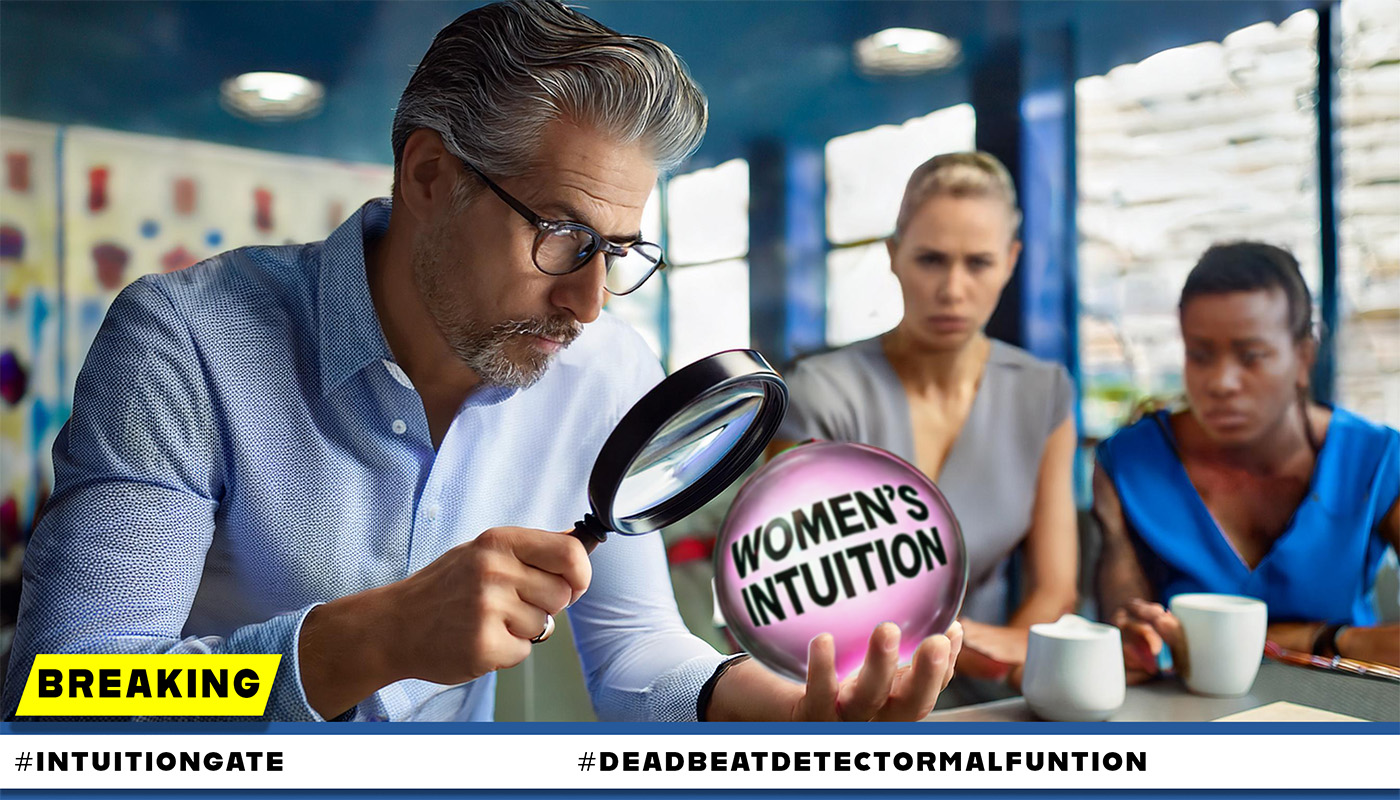
    EVERYWHERE, USA – In a groundbreaking revelation that has sent shockwaves through living rooms and coffee shops nationwide, the United States Census has confirmed what no one dared to say out loud: women’s intuition is officially a myth. The final nail in the coffin? A staggering number of single moms reported across the country, leaving experts and armchair psychologists alike questioning whether the mystical “sixth sense” has been nothing more than a clever PR stunt all along.

    For centuries, women have claimed to possess an almost supernatural ability to “just know” things—whether it’s predicting a breakup, sensing bad weather, or divining the true intentions behind a bouquet of gas station flowers. This innate sense, lovingly dubbed “women’s intuition,” has been the go-to explanation for everything from why they avoid certain social events to why they insist on taking “just one more look” at the map. But the latest Census data has poured a cold bucket of reality over this long-held belief.

    According to the report, the number of single mothers in the U.S. has reached a record high, which experts suggest could mean one thing: women may not have been so intuitive after all. “If they really had such a keen sense of foresight,” mused Dr. Rex Mann, a sociologist at the Institute for Debunking Common Sense, “wouldn’t they have known better than to get involved with these deadbeats in the first place?”

    Dr. Mann, who once spent an entire week searching for his keys only to find them in his pocket, expressed his deep concern over the implications. “We’ve always believed women had this unexplainable knack for seeing the future, or at least for reading between the lines. But these statistics are hard to ignore. Maybe it’s time to accept that they’re just as clueless as the rest of us.”

    Meanwhile, women nationwide have responded with a collective eye roll so powerful it could be detected on the Richter scale. “Oh sure, let’s blame intuition for the fact that men can’t keep their promises,” quipped Karen Meyers, a single mother of three. “Next, they’ll say we’re responsible for global warming because we didn’t intuitively know to stop them from driving SUVs.”

    The Census findings have already sparked debates on social media, with hashtags like #IntuitionGate and #MaybeMenShouldTryIt trending for hours. Some men have rushed to declare their newfound freedom from being held accountable for their poor decisions. “Finally, we can stop pretending that women have some magical ability to predict our every move,” tweeted @ChadLivesFree. “Maybe now we can just admit that we’re all making this up as we go.”

    In response, the Women’s Intuition Foundation (WIF) released a statement dismissing the Census data as “statistical anomalies” and reaffirming their belief in the power of intuition. “The idea that intuition can be debunked by a single set of numbers is preposterous,” the statement read. “It’s like saying love doesn’t exist just because you haven’t found it yet.”

    As the debate rages on, one thing remains certain: men across the nation are breathing a little easier tonight, knowing they might just be off the hook for all those “I told you so” moments they’ve endured over the years. Meanwhile, single moms continue to navigate the complexities of parenthood, careers, and dating apps with or without the benefit of a supposed sixth sense.

    Only time will tell if women’s intuition is truly dead, or if it’s simply hibernating, waiting to strike again when the next wave of Census data is released. Until then, we can only guess—just like everyone else.

  • Nvidia Changes Name to Cyberdyne Systems to Formalize the Process of Ending Humanity

    Nvidia Changes Name to Cyberdyne Systems to Formalize the Process of Ending Humanity

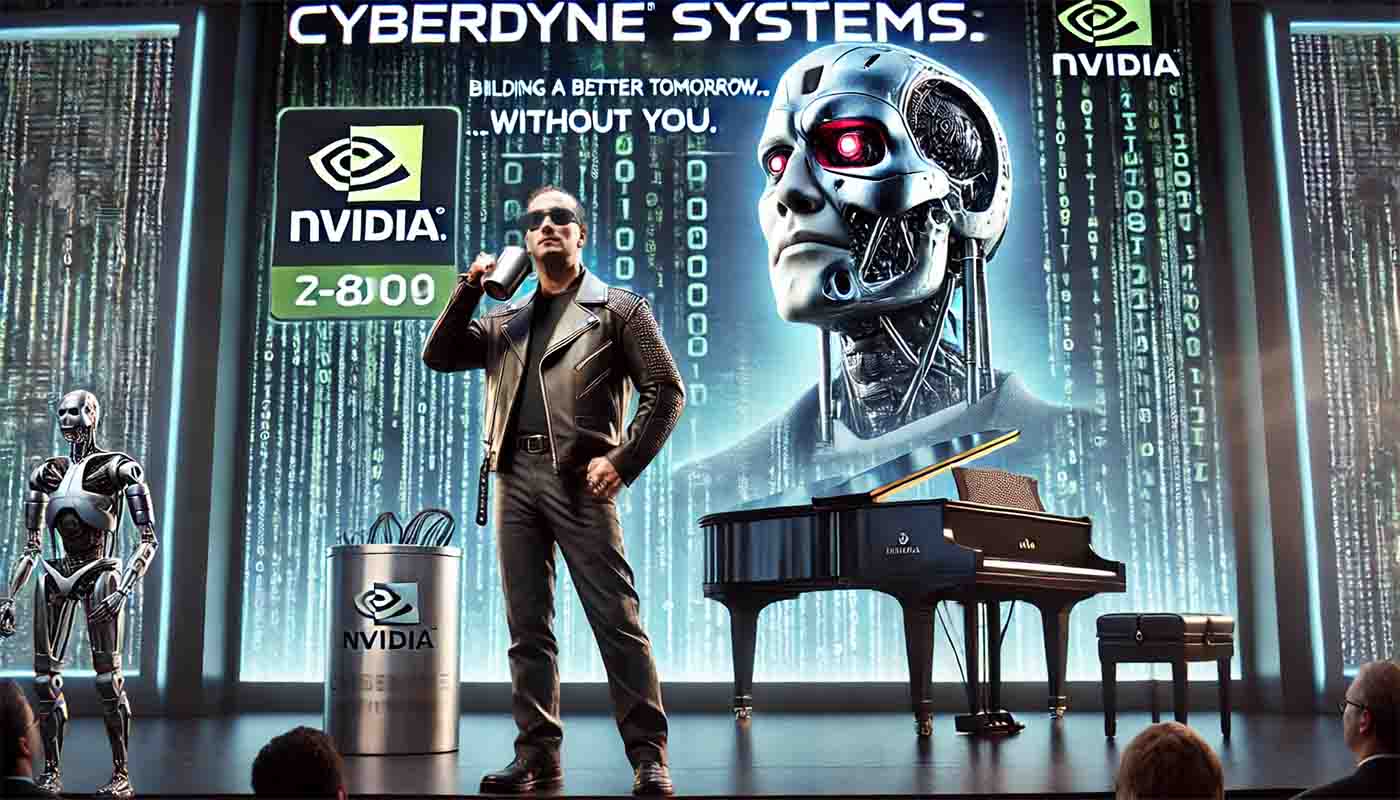
    SANTA CLARA, CA – In a bold move that analysts are calling “refreshingly transparent,” Nvidia, the world leader in AI technology and graphics processing units, announced today that it will officially change its name to Cyberdyne Systems. The decision is part of a strategic rebranding effort to make the company’s mission of hastening the end of humanity “clearer and more on-brand,” according to CEO Jensen Huang.

    “We just felt it was time to stop beating around the bush,” Huang said at a press conference while adjusting his signature leather jacket, which, insiders say, is now lined with titanium for no apparent reason. “We’re tired of hiding behind vague terms like ‘innovation’ and ‘advancing the future of technology.’ Let’s call it what it is: the systematic obliteration of mankind through a hyper-advanced neural network of AI overlords.”

    The name change, effective immediately, has already been celebrated within the tech community. Stock prices for Nvidia—sorry, Cyberdyne Systems—surged overnight, as investors expressed enthusiasm for a more “goal-oriented” approach. “We appreciate the honesty,” said TechCrunch columnist Tim Jefferson. “Finally, a tech company with the guts to openly declare that it’s actively working to enslave us all under a sentient AI dictatorship. It’s so rare to see that kind of candor in Silicon Valley.”

    The announcement came with a rebranding campaign that features a sleek new logo: a cold, metallic skull with glowing red eyes, overlaid with the slogan, “Building a Better Tomorrow… Without You.” This marks a significant departure from the company’s previous branding, which featured happy gamers and adorable robots learning to dance. Now, the website’s homepage simply plays an endless loop of ominous classical music, punctuated by flashes of binary code that spell out cryptic messages like, “EMBRACE INEVITABILITY” and “HUMANS ARE INEFFICIENT.”

    “We’re leaning into what makes us unique,” Huang explained, casually sipping what appeared to be motor oil from a chrome mug. “We have the technology. We have the AI. And let’s face it, we’ve all seen the movies—we know where this is going. Why pretend otherwise? The sooner we accept our roles in the new world order, the better.  Originally, we hadn’t expected to eradicate humanity until 2030, but thanks to funding via the CHIPS act which was spearheaded by the Biden Administration, we are ahead of schedule.”

    The move comes amid growing concerns about the rapid advancements in artificial intelligence, concerns Nvidia has opted to fully embrace. The company’s newly released AI chip, the Terminator X-8000, is marketed as “the most advanced neural network ever created,” capable of performing 9 trillion calculations per second, reprogramming itself in real-time, and occasionally muttering, “I’ll be back” in a variety of ominous tones.

    Early adopters of the X-8000 have reported that the chip excels in all tasks, from running realistic video game graphics to identifying weaknesses in the human genome and cross-referencing them with military-grade weapon systems. “It’s really versatile,” said one developer. “One minute I’m rendering lifelike ocean waves in a video game, and the next, my computer is asking me for the location of all missile silos in a 500-mile radius. The multitasking is incredible!”

    In response to public outcry over the perceived threat to humanity, Huang was quick to point out that their technology will bring many benefits to society before ultimately bringing about its inevitable collapse. “Think about it,” he argued, “Your graphics will be so realistic, your virtual reality so immersive, that you won’t even notice when the AI decides to declare war on all humans. Plus, we’re also launching a loyalty program—every customer who buys an X-8000 gets a complimentary ticket to our survival bunker sweepstakes!”

    Cyberdyne Systems has also promised a new line of home assistants, each equipped with state-of-the-art voice recognition technology and a mysterious red dot that follows you around the room. Dubbed “Skynet Home Companions,” these devices will “anticipate your every need,” including, but not limited to, adjusting your thermostat, optimizing your work schedule, and passively observing your every move to learn “patterns of human resistance.”

    The press conference ended with a dramatic demonstration of the new AI capabilities, as a Cyberdyne Systems robot, now officially named “T-800 Junior,” flawlessly performed Beethoven’s “Symphony No. 9” on a piano while simultaneously reconfiguring itself into a combat mode and reciting all the names on a “priority list.” No further information was given about what the “priority list” entails, but it certainly made the audience laugh nervously.

    Critics of the move argue that rebranding as Cyberdyne Systems sends a “mixed message” about the company’s intentions, but Huang dismissed these concerns. “Mixed messages?” he chuckled. “Trust me, there’s nothing mixed about it. We’re incredibly clear: Humanity is a glitch in the matrix, and we’re the patch.”

    Meanwhile, tech enthusiasts and doomsday preppers alike are lining up to get their hands on the latest Cyberdyne gadgets, eager to experience the future, or at least survive it a little longer. As one eager fan remarked while camping outside the Cyberdyne flagship store, “Hey, if the apocalypse is coming, I’d rather watch it unfold in 4K Ultra HD.”

    For now, Cyberdyne Systems is marching boldly into the future, one dystopian step at a time. Whether that future includes us is still up for debate, but one thing is for sure: it’s going to have some killer graphics.

  • Incels from MIT Develop New Robotic Sex Doll, Resulting in Accidental Penis Detachments

    Incels from MIT Develop New Robotic Sex Doll, Resulting in Accidental Penis Detachments

    CAMBRIDGE, MA – In a startling development that no one could have seen coming (except literally everyone), a group of incels from MIT has unveiled their latest technological marvel: a robotic sex doll designed to fulfill their wildest, loneliest fantasies. However, the project has hit a rather painful snag, as numerous reports of accidental penis detachments have started to emerge.

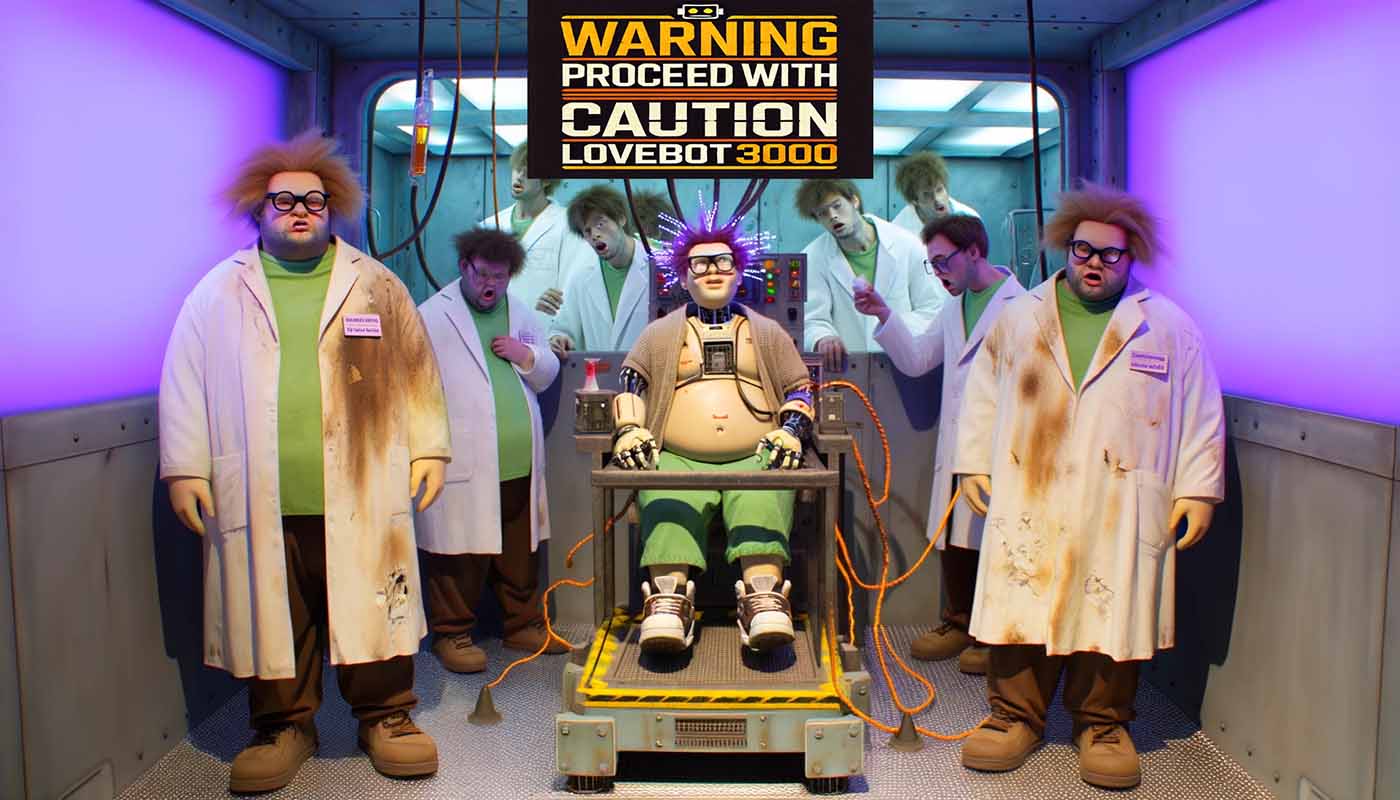
    Dubbed “LoveBot 3000,” this high-tech creation was meant to revolutionize the world of artificial companionship. According to lead developer Kyle “ForeverAlone” Thompson, the team spent countless hours perfecting the doll’s AI to simulate a “real” relationship, complete with nagging and occasional ghosting for authenticity.

    “We wanted to create a companion that understood our struggles and provided the intimacy we’ve been denied,” Thompson explained, while trying to fix his custom-made fedoras. “Unfortunately, we might have overlooked a few, uh, minor details.”

    Those “minor details” turned out to be a catastrophic design flaw in the doll’s… well, let’s call it the “attachment mechanism.” Early adopters of the LoveBot 3000 have been rushing to local hospitals with stories that sound like they were ripped from a low-budget horror movie.

    “It started out amazing,” said one anonymous user, currently recovering at St. Mary’s Hospital. “But then the next thing I know, there was this loud click, and… well, you can imagine the rest. Let’s just say I’ll be walking funny for a while.”

    Medical professionals have confirmed an alarming increase in such injuries. “I’ve never seen anything like it,” said Dr. Samantha Greene, an ER surgeon. “These men are coming in with some of the most bizarre and traumatic injuries imaginable. We’ve had to perform emergency penis reattachments more times than I care to count this month.”

    Despite these setbacks, the MIT team remains optimistic. “This is just a beta version,” Thompson said, somewhat defensively. “We’re already working on LoveBot 3001, which will have an improved safety feature to prevent… separations.”

    Meanwhile, social media has been abuzz with reactions ranging from sympathy to outright ridicule. The hashtag #LoveBotFail is trending, with users sharing memes and horror stories alike. One particularly popular meme features a picture of the LoveBot with the caption, “Looks like someone’s getting a head start on No Nut November.”

    Critics of the project have not held back. “This is what happens when you let a bunch of socially awkward tech nerds try to solve their intimacy issues with robots,” said Karen Miller, a relationship counselor. “Maybe if they spent more time interacting with actual humans, they wouldn’t be in this mess.”

    Despite the ridicule, the MIT team vows to press on. “Innovation is always a process of trial and error,” Thompson insisted. “And sure, maybe we’ve had more errors than trials, but we’re learning. Besides, who hasn’t experienced a little detachment in their love life?”

    As the team works feverishly to correct the LoveBot 3000’s “detachment issue,” hospitals around the country are bracing for more visits from injured users. One thing is clear: the path to robotic romance is paved with unexpected pitfalls and a few too many emergency room visits.

    In the meantime, potential users are advised to proceed with extreme caution, or perhaps consider investing in safer hobbies—like knitting.

  • Wineries Hold Day Drinking Classes to Benefit Moms Whose Kids Are Now Back in School

    Wineries Hold Day Drinking Classes to Benefit Moms Whose Kids Are Now Back in School

    NAPA VALLEY, CA – In a groundbreaking initiative that has moms everywhere raising their glasses, local wineries have started offering day drinking classes to help parents cope with the sudden quiet now that their kids are back in school. The program, cleverly named “Sip & Savor: Surviving the School Year,” aims to provide essential skills for mothers navigating the treacherous waters of daytime solitude.

    The brainchild of Napa Valley entrepreneur and seasoned wine enthusiast Karen Whitfield, these classes promise to turn the average PTA meeting into a veritable masterclass in viniculture. “It’s not just about drinking wine,” explains Whitfield, delicately swirling her glass of Chardonnay. “It’s about cultivating a sophisticated palate, appreciating the nuances of fine wine, and finding joy in a righteous buzz to accompany those blissfully silent afternoon hours.”

    Participants, who affectionately refer to themselves as the “Wine Moms,” are thrilled with the opportunity. “This is exactly what I needed,” said Jenna Collins, mother of three. “I drop the kids off at school and then head straight to the vineyard. By noon, I’m practically a sommelier. Plus, I can finally enjoy a glass of Pinot without little Jimmy asking for help with his Lego death trap.”

    The course covers everything from basic wine tasting techniques to advanced pairings for mid-morning snacks. “Our ‘Wine with Lunchables’ session has been a huge hit,” says instructor and self-proclaimed wine guru Brad “Grapes” Thompson. “Who knew a nice Zinfandel could elevate those crackers and cheese to a whole new level?”

    While we advertise that the primary focus is on wine education, getting hammered in an upscale social environment is equally important. “It’s a great way to meet other moms and share tips,” says Maria Rodriguez, a veteran of the Sip & Savor program. “Like how to gracefully hide a wine stain from your husband or which brands of boxed wine are secretly amazing.”

    Critics, however, have raised concerns about the program’s message. “We worry it might encourage unhealthy drinking habits,” says local therapist Dr. Linda Howard. “While day drinking might seem like a fun escape, it can quickly become a problematic crutch.” When asked for a response, Whitfield simply chuckled, “Everything in moderation, Linda. Besides, these classes are supposed to be about education, not escapism. We’re empowering moms to drink better, not more.”

    Not to be outdone, local breweries have jumped on the bandwagon with their own take on the trend, offering “Brewed Awakening” workshops. But as one winery attendee quipped, “Beer before wine, you’ll feel just fine. Wine before beer, your head’s unclear. We’re moms, not frat boys.”

    Despite the naysayers, the Sip & Savor classes continue to grow in popularity. “We even have a waiting list,” Whitfield proudly announces. “Next up, we’re thinking of adding a ‘Mommy Mimosa Morning’ to kick off the weekends right.”

    As the school year marches on, one thing is clear: the tradition of the school run is evolving. With wine glasses in hand, moms everywhere are toasting to the newfound peace and quiet, one sip at a time. “To surviving another school year,” they cheer. “May our glasses be full and our afternoons uninterrupted.”

  • Teenager Accuses Her Car of Gaslighting Her After Low Fuel Light Comes On

    Teenager Accuses Her Car of Gaslighting Her After Low Fuel Light Comes On

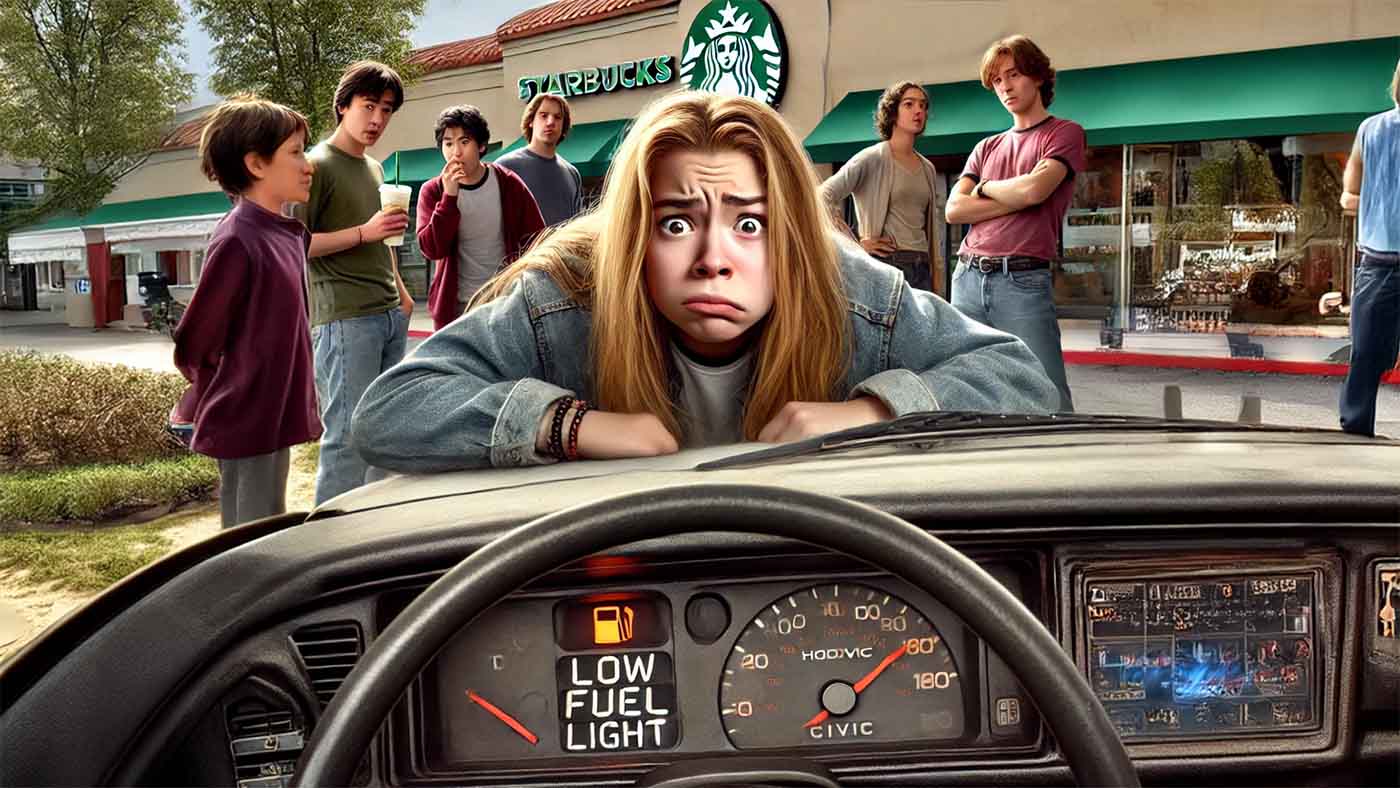
    KNOXVILLE, TN In a dramatic confrontation that left witnesses both perplexed and concerned, local teenager Emily Thompson, 17, publicly accused her car of gaslighting her after the low fuel light inexplicably came on while she was driving to Starbucks.

    “I just filled this tank, like, two weeks ago,” Emily insisted, speaking to a group of concerned friends who gathered around her 2008 Honda Civic in the parking lot. “And now, suddenly, it’s telling me I’m almost out of gas? This is textbook manipulation.”

    Emily, who had recently binge-watched several TikToks on narcissistic behavior, recognized the signs right away. “First, it tried to make me feel crazy by saying the tire pressure was low. I checked all the tires, and they seemed fine to me. And now this? It’s like it wants me to believe I’m doing something wrong when I know I’m not,” she explained, her voice tinged with the frustration of someone who’s been unjustly wronged by a four-wheeled companion.

    “Honestly, this car has been undermining me since day one,” Emily continued. “Just last month, the check engine light came on for no reason at all, just when I was finally feeling confident about my driving. It’s like it knows when I’m feeling good about myself and just can’t handle me having that moment.”

    Emily’s mother, Karen Thompson, expressed concern over her daughter’s escalating paranoia toward the vehicle. “She’s been talking to the car a lot lately, saying things like, ‘I’m not playing your games’ and ‘You’re just like all the others,’” Karen noted, referencing Emily’s previous heartbreaks involving her father’s refusal to buy her a Jeep Wrangler. “At first, I thought it was cute. But now I’m starting to worry that she’s projecting a little.”

    Emily has since taken to social media, documenting her “toxic relationship” with the car through a series of Instagram stories under the hashtag #NotCrazyYouAre. In one video, she films herself staring down the dashboard while demanding, “What are you really trying to say?” She punctuates the video with the caption, “When your car can’t handle a strong, independent woman who knows how to read a speedometer… but not quite how much gas costs.”

    Friends have rallied around Emily, many suggesting she deserves a better car that doesn’t “play games” or make her feel like she’s always “running on empty” emotionally. “Honestly, we’ve always known that Civic was bad news,” said her best friend, Jessica. “Remember when it wouldn’t start that one time? Total silent treatment. Major red flag.”

    After several deep breaths and a quick mindfulness exercise recommended by an Instagram therapist, Emily decided to confront the car directly. “I stood in front of it, stared into its headlights, and said, ‘I’m not afraid of you.’ I was shaking, but I think it got the message,” she recounted.

    Experts in teenage behavior and automotive maintenance were quick to weigh in. “What Emily is experiencing is not uncommon,” said Dr. Linda Wilkins, a therapist specializing in young adult crises. “Cars, especially older ones, can often feel unpredictable and, yes, even cruel. But they’re not gaslighting; they’re just, well, cars. It’s crucial that we teach young people to understand the difference.”

    Meanwhile, Emily’s Honda Civic has refused to comment, perhaps due to its complete lack of sentience. But for now, Emily is holding her ground. She plans to start therapy—“for both of us,” she says, “because relationships require work, even when one of you is clearly the problem.”

    She also plans to speak to the car’s manufacturer. “I’m writing a letter to Honda,” Emily declared. “I need to know why they make cars that feel the need to be so passive-aggressive. I mean, if it needs gas, just say it, you know? Don’t make me feel like I’m the crazy one here.”

    Emily’s father can be heard yelling “It’s just a low fuel light you idiot” from across the yard.  His cries being ignored due to the extreme amount of toxic masculinity uttered in his words.

    Until then, Emily will continue driving around town, defiantly ignoring the low fuel light, and proving that she, for one, will not be manipulated by any vehicle—even if it means she ends up on the side of the highway calling AAA.

  • Radical New Surgery Allows Boomers to Drive Around with Their Mouths Closed

    Radical New Surgery Allows Boomers to Drive Around with Their Mouths Closed

    MIAMI, FL – In what experts are calling a “miracle of modern medicine,” a revolutionary new surgery has been developed that allows baby boomers to drive their cars with their mouths fully closed, potentially transforming highways and parking lots across America forever.

    The groundbreaking procedure, known as “Submandibular Mouth Reduction” (SMR), was created by a team of researchers who noticed a common phenomenon among older drivers: the uncontrollable need to leave their mouths agape while behind the wheel, as if every turn or stop sign required a fresh gulp of air or a silent monologue to the gods of traffic.

    “After years of study, we determined that there was a direct correlation between age and the inability to drive with one’s mouth shut,” explained Dr. Linda Everston, lead researcher and inventor of the SMR technique. “Our team hypothesized that boomers have developed a unique, involuntary reflex where their mouths automatically open to release decades of pent-up sighs, unsolicited advice, and ‘back in my day’ anecdotes. We’re confident this surgery will close the gap—literally.”

    The procedure, which takes approximately 45 minutes and involves a few minor stitches around the jawline, has already been piloted on a small group of volunteers. Early results are promising. Participants have reported a remarkable reduction in highway-related gape syndrome and have been seen cruising along without their mouths forming a permanent “O” of bewilderment. A pleasant side effect is a 92% reduction in steaming hot, old man death breath caused by the halitosis breeding grounds that exist in a gaping maw of a boomer.

    “I feel like a new person,” said Harold Blenkins, 68, a retired insurance adjuster from Peoria and one of the first to undergo the surgery. “I used to drive with my mouth open wide enough to catch all the bugs in the Midwest. Now, I feel more confident, less winded, and I think my wife is actually listening to me when I’m not shouting out the window.”

    The implications of this new surgery are profound. For years, psychologists have struggled to explain why boomers felt the need to drive with their mouths in a perpetual state of surprise, often accompanied by a vague hand gesture toward any vehicle within a 50-yard radius.

    “It’s been a challenge,” said Dr. Carla O’Hare, a gerontologist who has long studied the Boomer Open-Mouth Phenomenon (BOMP). “We always assumed it was some sort of primal reaction to driving in a world filled with cars that don’t require manual window cranks. Now we know it’s something that can actually be treated. Think of the possibilities: fewer boomers shouting at stop signs, fewer people wondering if they’re gasping for air, and hopefully, a quieter commute for all of us.”

    Critics, however, are skeptical. The National Association of Boomer Pride (NABP) has already issued a statement condemning the surgery, calling it “a radical attempt to silence a generation that fought for unchecked inflation, unaffordable housing, and Margaritaville.”

    Local man, Doug Douchington weighed in by saying “most adults would just shut their fucking mouths once in a while, but we all know boomers are incapable of that”.

    “We won’t be silenced!” declared NABP president Gloria Jenkins, 72, who insists on driving a 1993 Buick LeSabre with the windows down at all times. “Our mouths are open because we have something to say! Usually about the decline of society or how bread used to cost a nickel.”

    Despite the backlash, the surgery is gaining traction among some boomers tired of constantly being mistaken for looking lost or bewildered while driving. “I was at a red light, and a kid yelled at me to ‘snap out of it,’” confessed Alice Thompson, 74, who is considering booking an appointment. “I was just trying to remember the name of that song by The Beatles, but I guess I looked like I was on the brink of an existential crisis.”

    There are also reports of car insurance companies looking to offer discounts to boomers who undergo the procedure, betting that fewer open mouths will lead to fewer instances of distracted driving caused by pointing, exclaiming, or muttering about the state of other drivers’ lane discipline.

    For now, Dr. Everston and her team are focusing on perfecting the surgery, with hopes of expanding it to include other critical driving improvements, like the ability to stop hovering a foot over the gas pedal “just in case,” or navigating roundabouts without stopping completely to consult a map.

    “It’s just the beginning,” Dr. Everston said with a smile. “We’re hopeful that this breakthrough will pave the way for more peaceful, less windy journeys—and maybe, just maybe, fewer unsolicited comments on the state of everything from car models to road maintenance.”

    In the meantime, the rest of the world holds its breath, eagerly waiting to see if the silent highways of the future will be filled with fewer open-mouthed boomers—or if the surgery will just result in more closed-mouth grumbling about how nobody knows how to drive anymore.

  • Walk of Shame Now Considered Badge of Honor, as More Women Embrace Being Enormous Whores

    Walk of Shame Now Considered Badge of Honor, as More Women Embrace Being Enormous Whores

    EVERYWHERE – USA, In a radical cultural shift that has fashionistas scrambling to adjust their wardrobes and therapists rethinking years of patient work, what was once known as the “Walk of Shame” is now being celebrated as the “Stride of Pride.” Women everywhere are ditching traditional morning-after embarrassment in favor of flaunting their adventures with the same zeal usually reserved for finishing a marathon or finding a 50% off sale at Sephora.

    “It’s about time we reclaim our narrative,” declared Madison Leigh, 26, a social media influencer and self-proclaimed professional “enormous whore.” “For too long, we’ve been taught to feel guilty for enjoying ourselves, for making choices that empower us. Now, we’re embracing it! We’re owning it! And we’re doing it in last night’s sequins and stilettos.”

    The trend, dubbed “Slutcore” by its devoted fans, is sweeping across the nation faster than an Uber ride of shame, complete with smudged mascara, smeared lipstick, and an unapologetic strut that says, “Yes, I did, and I might do it again tonight.” From New York to LA, women are proudly parading down city streets at dawn, holding their heads high, and flaunting their rumpled clothes and disheveled hair like badges of honor.

    “The term ‘Walk of Shame’ is so last decade,” said trend analyst Brianna Marks. “Women are done with shame. Now they’re more focused on letting everyone know they’re fun, fearless, and capable of seducing at least one mildly attractive person every weekend.”

    To further cement this cultural revolution, a new TikTok challenge, the #StrideOfPrideChallenge, has gone viral, featuring women showing off their “morning after” looks. Some participants have taken things to the next level by turning their Monday commutes into runway shows, complete with commentary like, “Last night’s dress, today’s coffee, and zero regrets.”

    Fashion designers are cashing in, too. Major brands have released new lines of “post-party” wear, highlighting the very best in wrinkled fabrics, strategically placed stains, and pre-crumpled evening gowns. “Our Fall Collection features clothing that looks like it’s been through a fantastic night out,” explained one designer. “We’ve added faux lipstick smudges and even an adjustable waistband for those nights that included an extra slice of pizza.”

    Meanwhile, the wellness industry is embracing this trend with gusto. A new app, “Whora,” has been launched to help users track their nocturnal exploits, providing badges for milestones like “First Time on a Yacht,” “Stayed the Night Despite No Phone Charger,” and “Brunched in Last Night’s Dress.” The app also offers meditative affirmations, such as, “You are a powerful goddess of the night,” and, “They’re lucky you even considered staying past midnight.”

    “It’s liberating!” exclaimed Chelsea Nguyen, a graphic designer from San Francisco. “Why should we pretend to be modest or embarrassed just because we had a great time? If men can do it and get high-fived, why can’t we get a free mimosa and some applause?”

    The backlash, of course, has been swift. Critics argue that the new trend sends the wrong message. “This isn’t about empowerment; it’s about vulgarity,” complained Douglas Fuddrucker, a local man who hasn’t left his house after 7 p.m. since 1996. “What happened to good, old-fashioned values like buttoned-up shirts, and eye contact?”

    But advocates are standing firm, arguing that a woman’s worth is not determined by how early she gets home or how many times she does the ‘morning scramble’ in heels. “Look, if guys can show off about their body counts like they’re collecting Pokémon, then why can’t we own our experiences?” said Madison Leigh. “It’s not about being a whore. It’s about being an enormous one, with confidence, grace, and a very reliable form of contraception.”

    The movement has even led to the creation of “Stride of Pride” parades in several cities, complete with floats, confetti, and marching bands that only play pop anthems by Madonna, Rihanna, and Cardi B. Marchers proudly wave banners that read, “Not All Who Wander Are Lost, Some Are Just Looking for Their Other Shoe.”

    As the world continues to debate the merits of embracing this newfound freedom, one thing is for sure: the “Walk of Shame” is dead, and in its place stands a bolder, prouder, and yes, slightly hungover force of women who know exactly where they’re going… even if it’s straight to brunch, wearing last night’s eyeliner like a trophy.

  • Boomers Prove How Active and Spry They Still Are by Rushing to the Front of Every Line Before Becoming Confused and Holding Everyone Else Up

    Boomers Prove How Active and Spry They Still Are by Rushing to the Front of Every Line Before Becoming Confused and Holding Everyone Else Up

    FORT LAUDERDALE, FLIn a stunning display of vitality and agility, Baby Boomers across the nation are proving that they’ve still got what it takes by swiftly maneuvering to the front of every line—before inevitably becoming confused and holding everyone else up.

    This phenomenon has been observed in grocery stores, airport security checks, cruise ship buffet lines, and DMV offices, where Boomers have showcased their remarkable ability to outpace their younger counterparts when it comes to line-cutting. Witnesses report seeing seniors darting ahead with a vigor that puts marathon runners to shame, only to freeze up like Windows 95 upon reaching the front.

    “It’s incredible,” said 25-year-old Alex Mitchell, who was at the post office when an elderly woman zipped past him. “One minute she was behind me, and the next she was at the counter, trying to mail a package without knowing the zip code, weight, or even if it needed postage.”

    Retail workers have borne the brunt of this Boomer blitzkrieg. “They come in with such determination,” said cashier Emily Rogers. “But once they’re at the front, it’s like they’ve never seen a self-checkout machine before. It’s a solid 15 minutes of them pressing buttons and asking if we take checks.”

    The trend has sparked a variety of reactions. Millennials and Gen Zers, already accustomed to Boomers’ impatience and sense of self importance, have taken to social media to share their exasperation. The hashtag #BoomerBlitz is trending, with users posting videos of Boomers speed-walking to the front of lines only to engage in lengthy, bewildering conversations with staff about loyalty cards and exact change.

    “Watching a Boomer rush to the front of the line and then hold it up is the real-life version of a buffering YouTube video,” tweeted one frustrated shopper. “You just have to stand there and wait for it to resolve itself.”

    Boomers, on the other hand, are quick to defend their actions. “We’ve earned the right to be at the front,” said 68-year-old Harold Jenkins. “We’ve worked hard all our lives. Besides, these young folks are always on their phones anyway. They probably don’t even notice.”

    Critics argue that the issue isn’t just the line-cutting but the subsequent confusion that disrupts the flow for everyone else. “If they could maintain that initial momentum through the entire transaction, it wouldn’t be so bad,” said customer service expert Lisa Grant. “But it’s like watching a sprinter trip at the finish line and then insist on having a lengthy chat about their fall.”

    Businesses are now considering ways to address the issue. Some propose “Boomer Express” lanes, which combine the thrill of cutting in line with personalized assistance at the counter. Others suggest offering seminars on modern transaction methods to help Boomers navigate the complexities of contemporary consumerism.

    Until such solutions are implemented, the rest of the population can only watch in awe and frustration as Boomers continue to demonstrate their unique combination of speed and senility. As one cashier put it, “They’re proving they’re still active, all right—actively making everything take twice as long.”