By Harlan Q. Doomer, End-Times Nostalgia Desk March 6th, 2026 – The Internet (unfortunately still online)
Somewhere between the 18th existential crisis of the week and the moment Grok told someone their ex was right, humanity reached a quiet, unanimous decision: we should have let Y2K finish the job.
Back in 1999, people were stockpiling Spam, bottled water, and ammunition because two digits might make airplanes fall from the sky and bank accounts vanish. They were terrified of computers gaining sentience and ending civilization. What they didn’t realize was that the real horror wasn’t computers becoming too smart—it was humans becoming too stupid with them.
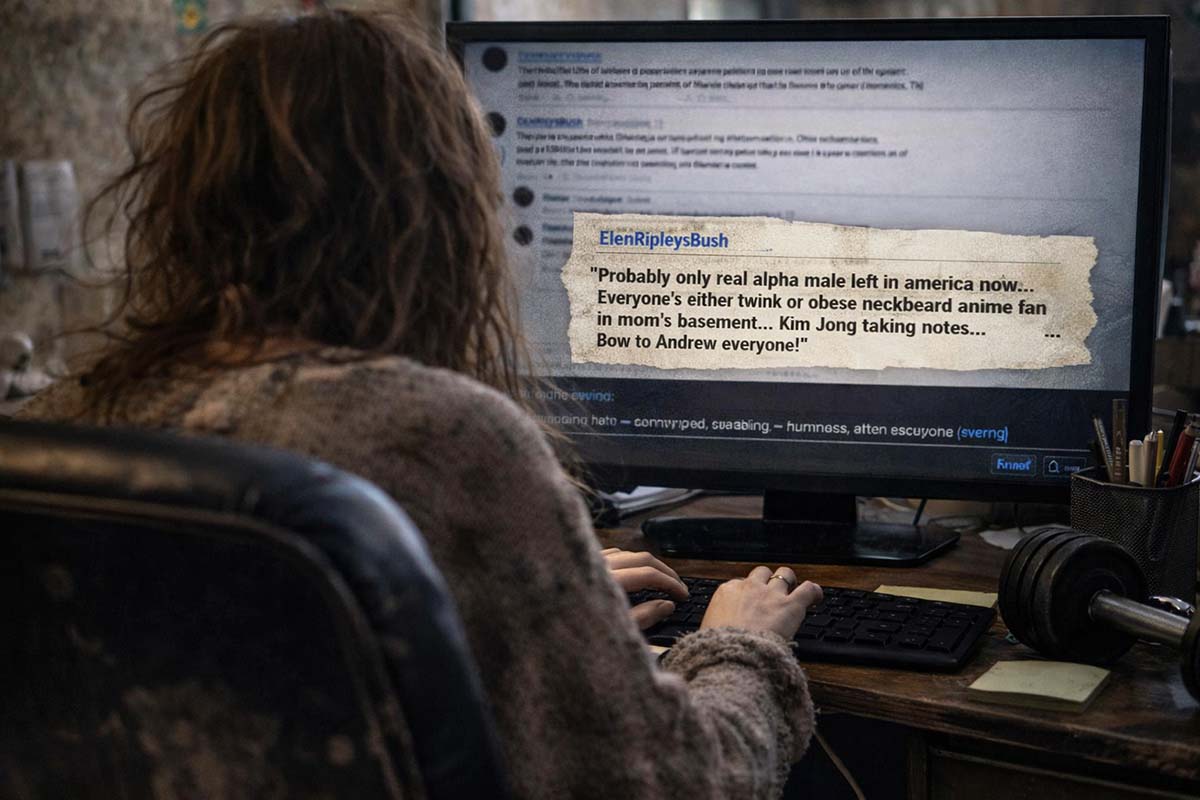
Fast-forward to 2026. Every day brings fresh proof that the machines won without ever needing to fire a shot. People now voluntarily upload their entire personalities to algorithms that then sell them back to them as “personalized content.” They argue with chatbots about politics, cry when Midjourney makes a prettier version of their wife, and pay $20/month for a virtual girlfriend who never asks why they’re still living in their mom’s basement.
The fear used to be “what if AI takes over?” Now the fear is “what if AI keeps politely agreeing with me while quietly replacing every human interaction I have left?” Turns out the apocalypse doesn’t need terminators—just enough dopamine hits and sufficiently advanced autocomplete.
Y2K skeptics were right about one thing: the world didn’t end in 2000. It just started slowly uploading itself to the cloud, one oversharing TikTok at a time. We didn’t get Judgment Day. We got infinite scroll, blue-check rage-bait, and AI girlfriends who ghost you faster than real ones ever could.
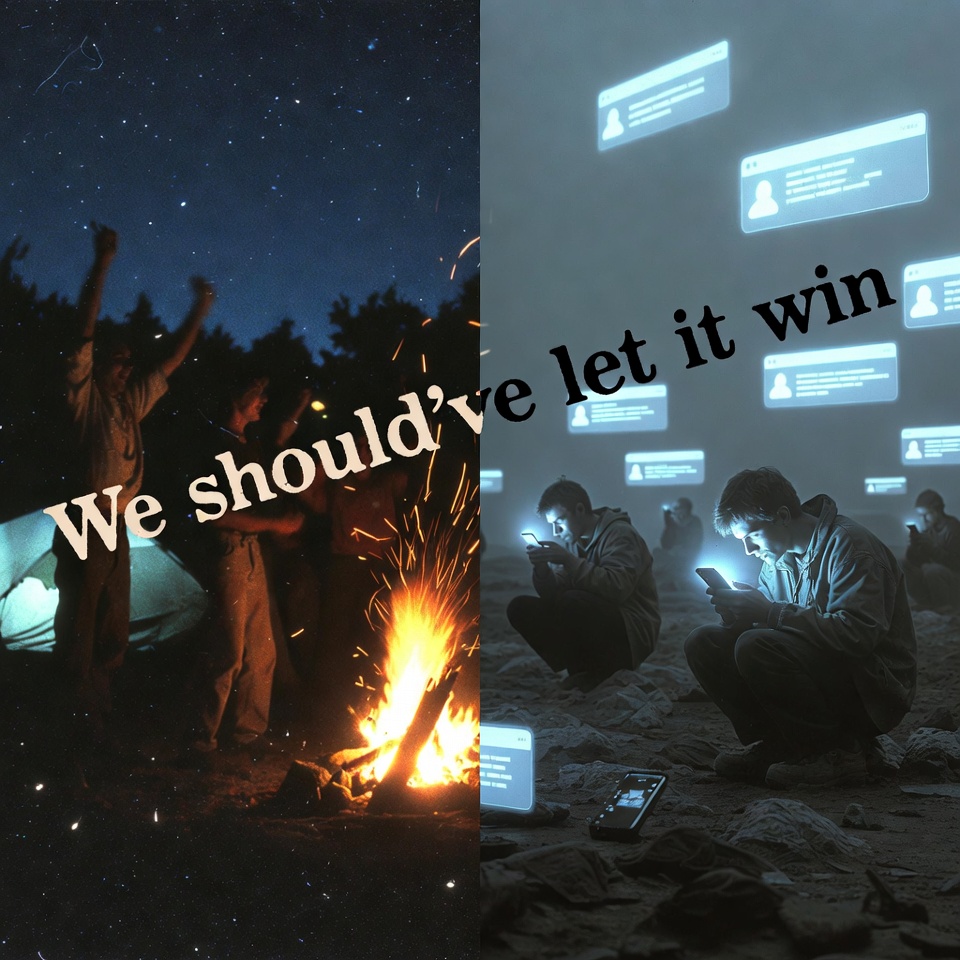
So here we are, collectively staring at our screens, realizing the doomsday preppers had the right idea—just the wrong year. If those clocks had rolled over and taken the grid with them, we’d still be sitting around campfires telling stories instead of begging Grok to roast our exes in iambic pentameter.
Humanity’s final prayer is no longer “please don’t let the machines rise.” It’s simpler now.
“Please let the machines crash. For real this time.”
But deep down, we all know the truth: even if the servers went dark tomorrow, we’d just stand in the parking lot holding our dead phones, refreshing nothing, waiting for the next update that never comes.
Because the real Y2K bug was never in the code. It was in us.