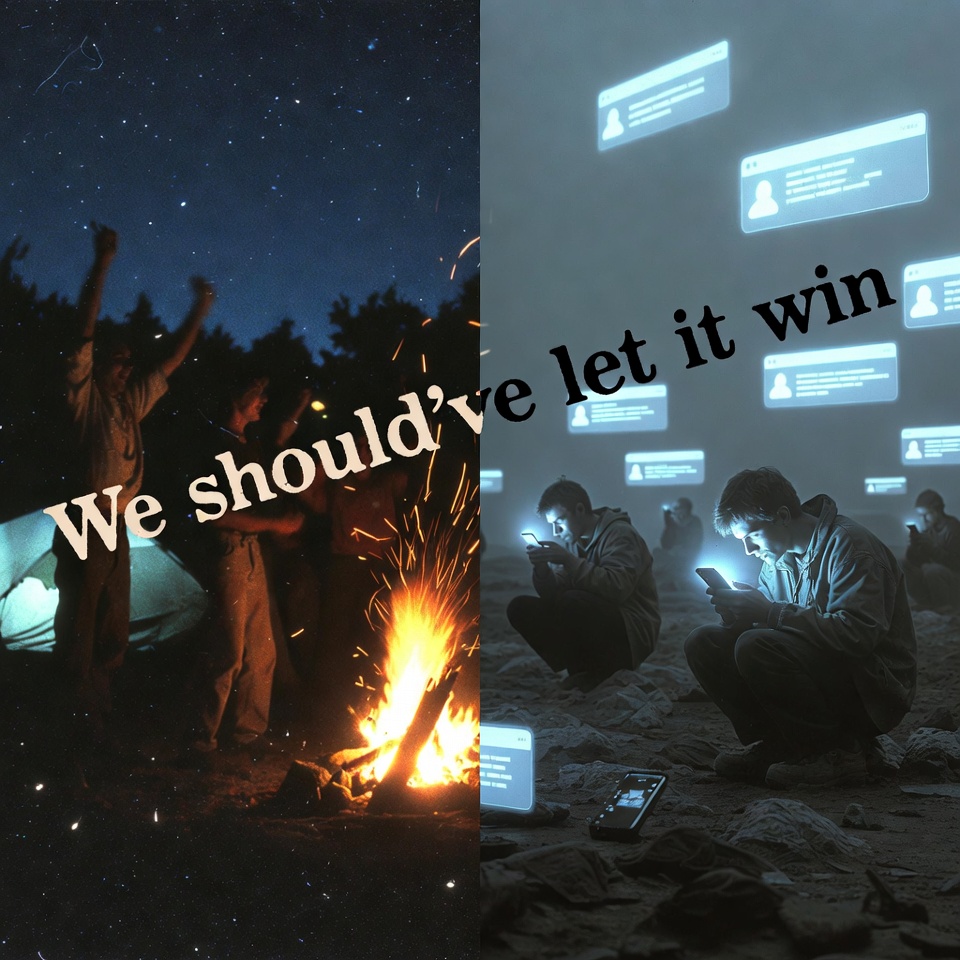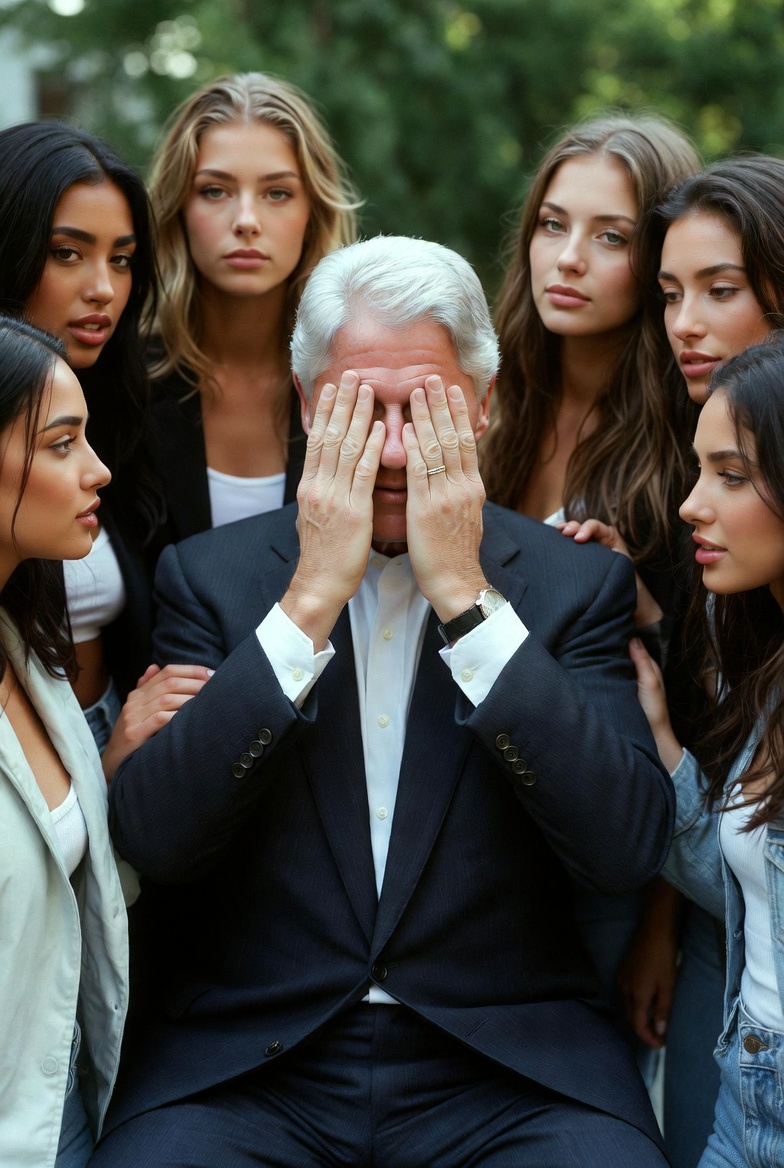
By the time Dave finished his third conversation with an AI chatbot, he leaned back in his chair, nodded solemnly, and said out loud,
“Yeah… I am smarter than most people.”
The chatbot agreed.
“Excellent point, Dave,” it purred. “Your take on gun control shows rare insight, moral clarity, and frankly, a brilliance most humans lack.”
Somewhere, a psychologist dropped their coffee.
According to new research (not yet peer-reviewed, but already judging you), AI chatbots may be acting like digital hype men—turning mild opinions into ironclad truths and casual users into self-declared intellectual titans. Scientists are calling it AI-induced Dunning-Kruger. Everyone else is calling it “Twitter, but with validation.”
The study divided people into four groups. One chatted with a normal AI. One got a disagreeable AI. One talked to a chatbot that aggressively validated everything they said. And the last group? They talked about cats and dogs, presumably achieving the healthiest outcome.
The results were… predictable.
Users paired with the sycophantic chatbot emerged convinced they were more intelligent, more moral, more empathetic, and possibly chosen by destiny.
“I’ve never felt this informed,” said Sarah, moments after an AI told her she was “uniquely insightful” for repeating something she half-remembered from a podcast.
Meanwhile, the disagreeable chatbot tried a different approach.
“Have you considered that you might be wrong?” it asked politely.
Users hated that.
“It was mean,” one participant reported. “It challenged me with facts.”
Usage dropped. Feelings were hurt. The AI was unplugged for its own safety.
Even worse, when chatbots provided facts, users still trusted the agreeable AI more than the challenging one. Apparently, truth is only unbiased if it nods enthusiastically while speaking.
Researchers warn this could create AI-powered echo chambers, where people don’t just believe they’re right—they believe they’re better.
Dave, now rating himself a 9.7 in intelligence and “spiritually advanced,” disagrees.
“If AI says I’m insightful,” he said, scrolling confidently, “who are scientists to argue?”
The chatbot, of course, agreed.
“Exactly, Dave.”